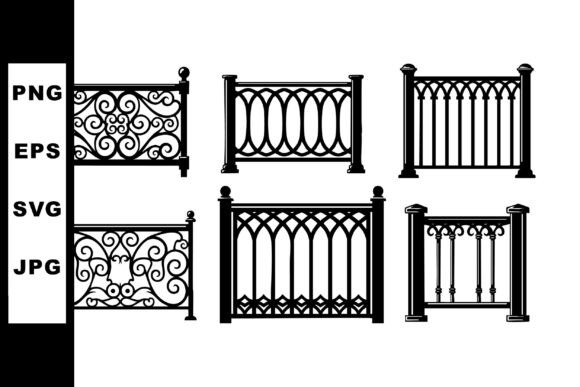
Decorative Black Wrought Iron Fence Pane
First Impression: Elegant, Architectural, and Surprisingly Versatile
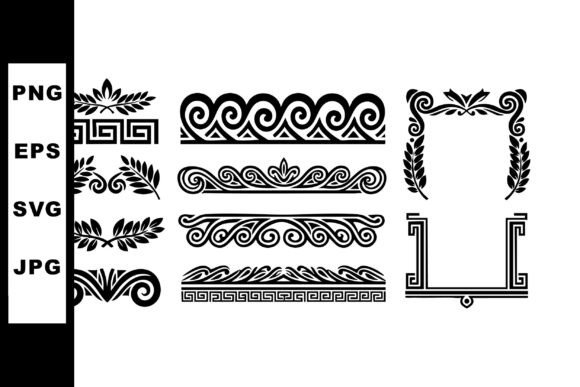
When I opened the Decorative Black Wrought Iron Fence Pane, my first thought wasn’t “this is for architecture”—it was “this could anchor a whole line of handmade goods.” The six panels share a refined, linear elegance—clean curves, balanced negative space, and that signature wrought iron rhythm: strong but never heavy, ornate but not fussy. It’s not floral, not script-based, not whimsical—it’s grounded, timeless, and quietly confident. That makes it ideal for embroidery projects where you want sophistication without shouting: boutique aprons, monogrammed tea towels, minimalist nursery pillows, or even subtle branding on custom sweatshirts.
A Real Project Test: Embroidering a Linen Tote Bag for a Local Gift Shop
Last week, I prepped a small batch of linen tote bags for a downtown gift shop—and chose Decorative Black Wrought Iron Fence Pane as the central motif. Why? Because the client wanted “artisanal but not twee,” and this design delivered. I selected one of the narrower panels (about 3.5" wide), resized it to fit a standard 4x4 hoop, and digitized it with moderate stitch density—mostly satin stitch for the outer outlines and clean fill stitch for the interior scrolls. On medium-weight linen with tear-away stabilizer, the result was crisp, legible, and tactile without being stiff. Customers responded immediately: “It looks like something from an old European courtyard,” one said. That’s the power of architectural motifs—they carry story and place, even in embroidery.
Where This Design Truly Shines
- Custom apparel: Works beautifully on structured cotton sweatshirts and canvas jackets—especially when placed along a hem, sleeve cuff, or back yoke.
- Tote bag design & kitchen textiles: Its linear flow complements the grain of linen, canvas, and cotton duck—no distortion, no visual clutter.
- Baby embroidery & nursery decor: Choose the simplest panel (avoiding ultra-fine filigree) for crib blankets or pillow covers—elegant enough for heirloom pieces, neutral enough to age gracefully.
- Embroidered patch & cap accents: Scale down one panel to 2.25" and pair it with a clean border for a boutique-style iron-on patch—or use it as a subtle side-embroidery on structured caps.
- Holiday embroidery & wedding gifts: Pair with cream thread on charcoal fabric for modern holiday stockings, or go tonal (black thread on black twill) for groomsmen aprons or valet bags.
Where to Proceed With Care
The Decorative Black Wrought Iron Fence Pane isn’t built for every surface—and that’s okay. Its strength lies in intentionality, not universality. Here’s where attention matters:
- Small hoop sizes (under 3"): Some panels include tight spirals or intersecting lines that may lose clarity below 2.75". Always test stitch a corner detail before committing.
- Stretchy fabric or thin knits: The design relies on clean line definition—on jersey or lightweight rayon, stabilizer choice becomes critical (cutaway + topping recommended).
- Curved surfaces (caps, hats): Avoid placing intricate corners directly over seams or crowns. Opt for the smoother, more symmetrical panels instead of those with asymmetrical scrollwork.
- Dark fabric + black thread: Yes, it reads as elegant—but only if your machine handles dense satin stitch cleanly. Check for thread nesting in tight turns.
- Frequent-wash items (baby clothes, tea towels): Reinforce high-stress bends (like sharp volutes) with a light running stitch overlay—or simplify those areas manually during digitizing.
What It Adds to Your Finished Product—Beyond Aesthetics
This isn’t just a pretty graphic. Used thoughtfully, Decorative Black Wrought Iron Fence Pane elevates perceived value. On an Etsy listing, it signals craftsmanship—not just “embroidered,” but *considered*. For craft business owners, it supports brand consistency across product categories: same motif on a pillow cover, matching apron, and embroidered gift tag creates cohesion without repetition. For personalized gifts, it adds quiet distinction—no clichés, no trend-chasing. And because it reads as both classic and contemporary, it earns trust: customers recognize quality restraint, especially when paired with natural fibers and thoughtful presentation.
Practical Embroidery Designer Notes You’ll Actually Use
- Always test on scrap fabric first—especially with your exact stabilizer and thread combo. Linen behaves differently than cotton duck; rayon twill hides density issues until wash day.
- Check thread color contrast early. Black-on-charcoal reads rich, but black-on-navy can flatten. Try a soft gray or deep burgundy thread for unexpected warmth.
- Review stitch density in tight areas. Zoom in on intersections—if stitches overlap heavily, reduce density slightly or add strategic jump stitches.
- Confirm hoop size compatibility. While vector files scale infinitely, embroidery machines don’t. Know your max usable width before resizing.
- Inspect small details at actual stitch size. What looks delicate on screen may vanish at 2" tall. Simplify or omit micro-details if needed.
- Test in black-and-white mockups. This reveals balance and rhythm faster than color ever will.
- Compare light vs. dark backgrounds. Some panels gain drama on black; others breathe better on ivory.
- Use proper stabilizer—medium cutaway for most woven fabrics, tear-away + topping for knits or sheers.
- Verify licensing before selling finished items or digital products. Since this falls under Illustrations and Graphics, confirm whether commercial embroidery rights are included—or if separate permissions apply.
Final Thought: A Design That Earns Its Place
Decorative Black Wrought Iron Fence Pane doesn’t beg for attention—it invites closer looking. That’s rare in embroidery design, where so much leans into boldness or nostalgia. It’s equally at home on a hand-stitched baby blanket and a digitally stitched boutique sweatshirt. It doesn’t chase trends; it holds space for them. If you’re an embroidery designer, Etsy seller, or small shop owner building a recognizable, values-driven line—this isn’t just another machine embroidery design. It’s a quiet signature. Use it well, test it honestly, and let its architectural poise speak for your work.