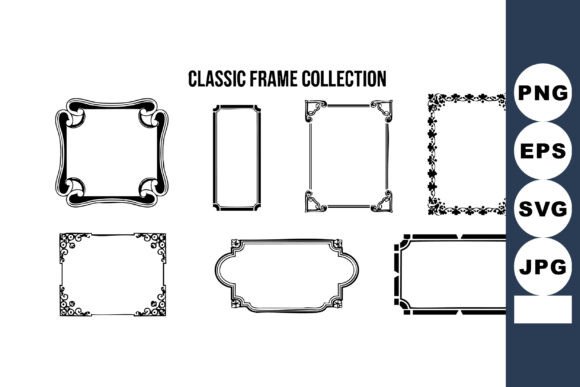
Classic Decorative Black Vintage Frame C
First Impressions: Timeless, Tactile, and Ready for Thread
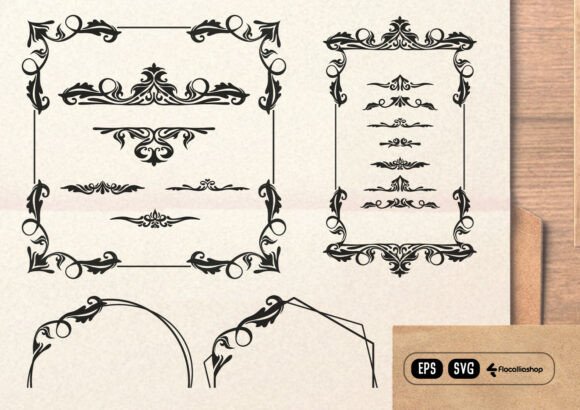
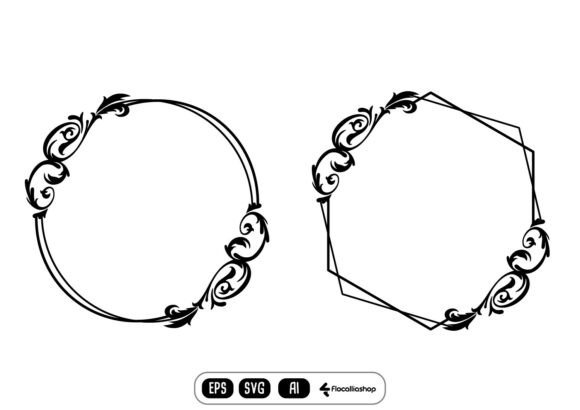
Opening Classic Decorative Black Vintage Frame C, I felt that quiet thrill every embroidery designer knows—the kind that comes when a design doesn’t just look good on screen, but *feels* like it belongs on fabric. It’s not fussy or overly ornate; instead, it carries the calm authority of well-proportioned vintage framing: clean lines, balanced negative space, and subtle flourishes that suggest craftsmanship without demanding attention. The black vector treatment gives immediate clarity—no gradients, no transparency tricks—just confident, scalable outlines and shapes. That matters. A lot. When you’re prepping a custom embroidered tote bag for a local boutique or stitching monogrammed nursery pillows for a client, you need designs that translate cleanly from digital file to physical stitch. This one does.
Where It Shines: Real Projects, Real Fabric
I tested Classic Decorative Black Vintage Frame C across several real-world scenarios: a linen tea towel for a craft fair stall, a cotton baby onesie (size 0–3 months), and a heavyweight organic cotton sweatshirt for an Etsy seller launching a “slow living” collection. In each case, the frame’s elegance elevated the item—not by shouting, but by grounding it. On the tea towel, it framed a simple hand-lettered quote with quiet sophistication. On the onesie, it held a delicate floral motif without overwhelming the scale. And on the sweatshirt? It anchored a small chest placement beautifully—structured enough to read clearly at arm’s length, yet soft enough in line weight to avoid looking stiff.
This isn’t a design built for maximalist applique or dense fill-stitch coverage. It’s a graphic—a true Illustrations asset—that works best as a refined border, a subtle background element, or a polished container for text or motifs. Think pillow covers with centered quotes, aprons with minimalist corner accents, holiday gift tags stitched onto velvet ribbon, or personalized patches sewn onto denim jackets. As a Graphics file, it’s equally effective in printable mockups for your Etsy listings—clean, consistent, instantly legible against light or dark backgrounds.
Where to Pause—and Plan Ahead
That elegance has boundaries. Classic Decorative Black Vintage Frame C includes fine scrolls and delicate inner linework—details that won’t survive heavy wash cycles on thin baby knits unless you adjust stitch density and stabilizer strategy. On stretchy fabrics like jersey tees or curved surfaces like caps, those same details can distort if hooping isn’t precise or if the design is scaled too small. I wouldn’t place it below 3.5" wide on a toddler cap without first testing on scrap fabric with the exact stabilizer stack I’d use commercially.
Also worth noting: because it’s a black vector layout, contrast is non-negotiable. On dark fabric, you’ll need white or metallic thread—not just for visibility, but for perceived value. Customers notice when black-on-black embroidery reads as “barely there.” And on textured fabrics like terry cloth or bouclé, those fine lines may blur slightly in stitch; consider simplifying corners or widening key strokes before digitizing.
What It Adds—Beyond the Stitch
Used thoughtfully, Classic Decorative Black Vintage Frame C quietly lifts the perceived quality of your finished product. It signals intention—not just “I added embroidery,” but “I curated this.” That builds customer trust, especially for handmade product buyers who equate thoughtful design with care in execution. For Etsy sellers and small shop owners, it strengthens brand consistency across product lines: same frame used on a kitchen towel, a baby blanket, and a holiday ornament creates visual continuity without repetition. And for craft business owners building digital product offerings, it’s a versatile design asset—ideal as a base layer in layered embroidery projects or as a standalone machine embroidery design for quick-turn personalized gifts.
Practical Notes Every Embroiderer Should Check
- Test first—always stitch Classic Decorative Black Vintage Frame C on scrap fabric matching your final project’s weight, stretch, and texture.
- Review thread colors—black thread on light fabric reads crisply, but consider charcoal or deep navy for richer depth on off-whites or creams.
- Confirm hoop size—the clean layout suggests flexibility, but verify the largest variant fits comfortably in your standard hoop before digitizing.
- Inspect small details—zoom in on corners and scroll ends in your embroidery software. Some fine points may need slight thickening for satin stitch stability.
- Mock it up in black and white—this design’s strength is its contrast. If it loses definition in grayscale, it’ll struggle on varied fabric backgrounds.
- Use appropriate stabilizer—light cutaway for stable wovens, tear-away + topping for knits, and water-soluble for delicate layers like organza or lace overlays.
- Check licensing—since it’s delivered as a digital embroidery file in SVG, EPS, JPG, and PNG formats, confirm whether commercial use is permitted before selling finished embroidered items or bundling it into your own digital product kits.
Final Thought: Less Is Anchored, Not Empty
Classic Decorative Black Vintage Frame C doesn’t try to be everything. It’s not a bold statement piece or a trend-chasing motif. It’s a quiet, confident tool—a design asset that earns its place by making other elements look better. Whether you’re stitching a wedding guest book cover, designing a batch of embroidered patches for a local café, or building a cohesive line of nursery decor, this frame offers structure without stiffness, charm without clutter. In a world of noisy patterns and over-digitized fills, that kind of restraint is rare—and deeply useful. Use it where you want people to pause, not just glance.