Decorative Picture Frame Graphics for Editorial and Web Design
A First Impression That Speaks Volumes
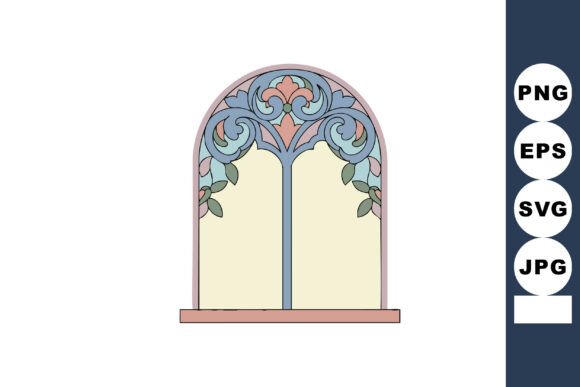
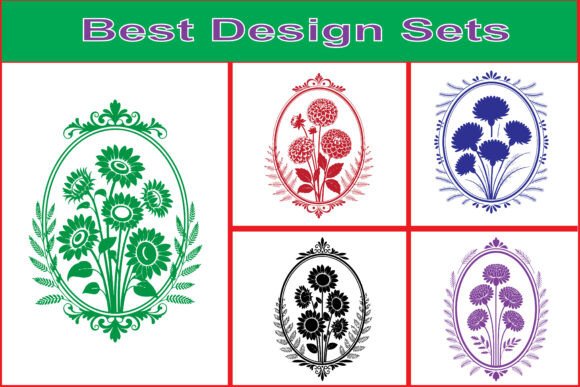
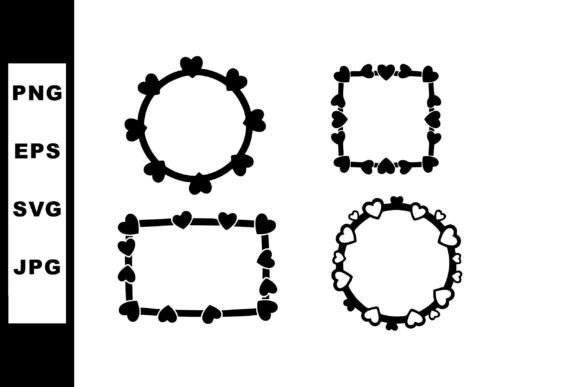
The decorative picture frame immediately catches the eye with its soft, hand-drawn aesthetic. It feels both playful and refined, offering a perfect balance between whimsy and elegance. This graphic design asset brings a subtle yet impactful visual mood that’s ideal for content creators looking to add a touch of personality without overwhelming their audience. Its oval shape and doodle-style border evoke a sense of creativity and approachability, making it particularly well-suited for lifestyle, educational, or artistic niches.
Visual Communication in Action
As an experienced blog designer, I find this graphic design asset incredibly versatile. The isolated white background ensures it can be easily integrated into any editorial layout or website header. Whether used as a blog graphic, social media preview, or website banner, the decorative picture frame adds a decorative flourish that enhances the overall visual hierarchy. Its clean lines and rounded edges make it feel modern and contemporary, aligning well with current design trends in web design and digital product creation.
Editorial Quality Meets Website Presentation
This illustration is not just a pretty image—it's a tool for building reader trust. When used in editorial contexts, such as article headers or downloadable resources like lead magnets or digital guides, the decorative picture frame supports a cohesive brand identity. It signals professionalism and attention to detail, which are crucial for content marketing and affiliate marketing efforts. In fact, the brand identity of a website can be significantly strengthened by consistently using such design assets across all visual elements.
Real-World Publishing Use Cases
From Pinterest pins to Canva templates, the decorative picture frame has a wide range of applications. It works exceptionally well as a blog graphic for featured images, adding a creative edge to otherwise standard content. It also shines in newsletter headers, where it helps draw attention to key messages. For digital marketers, this graphic design asset can be used to create engaging social media graphics or downloadable printables that resonate with target audiences.
Moreover, the decorative picture frame is a great choice for category thumbnails on content websites. It helps distinguish different sections and improves navigation, especially when paired with clear, concise text. For small business owners and creative entrepreneurs, this illustration can serve as a powerful element in media kits or digital downloads, reinforcing the visual identity of their brand.
Supporting Content Performance
Using the decorative picture frame can lead to stronger first impressions and better click-through rates. Its unique design encourages users to engage with content, whether they're browsing a blog, scrolling through social media, or downloading a printable design. Additionally, the visual hierarchy created by this asset helps guide readers through content more effectively, enhancing both readability and user experience.
For content marketing strategies, this graphic design asset supports consistent branding and improved category recognition. It allows publishers to maintain a professional look while still keeping their content visually appealing and clickable. Whether used in affordable digital products or commercial design projects, the decorative picture frame offers a reliable and stylish solution.
Where It Works Best
The decorative picture frame excels in areas where visual appeal is key. It works best as a hero image, article thumbnail, or social media preview. Its clean and decorative style makes it ideal for Canva templates, digital guides, and lead magnets. When placed strategically, it can enhance the visual identity of a website and improve the overall user experience.
Where to Use with Caution
While the decorative picture frame is a versatile asset, it should be used carefully in certain contexts. On small mobile thumbnails, it may appear too large or lose its impact. Similarly, it might not be the best choice for text-heavy blog images or low-contrast backgrounds. In serious professional niches or corporate content, the playful nature of this graphic design asset could clash with the desired tone.
Publisher Notes for Real-World Use
Before incorporating the decorative picture frame into your publishing workflow, consider these practical tips: test it on both desktop and mobile screens, check how it looks as a thumbnail, and preview it inside a real blog layout. Ensure the contrast and readability are optimal, especially when paired with different font styles. Try placing it beside serif, sans serif, script, and display fonts to see how it interacts with various typographic choices.
Also, review the file size for web performance and compress images properly to ensure fast loading times. Confirm that you have a commercial license before using the graphic design asset on monetized websites, affiliate pages, or paid content products. Finally, keep in mind that the decorative picture frame is a valuable addition to any creative marketplace or small business branding toolkit.